
Winter in the Northeast has a way of testing homes in quiet but serious ways. Snow falls softly, temperatures dip, and everything looks calm from the outside. But above your head, on the roofline, something far less peaceful may be forming—an ice dam.
Most homeowners don’t realize there’s a problem until water shows up where it absolutely shouldn’t. By then, the damage has already started. Understanding how to tell if you have an ice dam is not just about roof maintenance—it’s about protecting your ceilings, insulation, and the structure of your home before repair costs spiral.
At Wooster Roofing, we’ve seen this pattern unfold in countless homes across Massachusetts. The good news is that ice dams rarely appear without warning. They leave clues if you know where to look.
Peace of mind starts with a professional roof inspection. Contact Wooster Roofing today to identify potential issues early and keep your roof performing its best. Call (978) 851-7663 or schedule online now.
What an Ice Dam Really Means for Your Home
An ice dam forms when heat from your attic melts snow on the roof. That melted water runs downward until it reaches the colder eaves, where it refreezes. Over time, this cycle builds a ridge of ice that traps water behind it.
That trapped water has only one direction to go—back under your shingles.
Once that happens, moisture begins working its way into insulation, ceilings, and sometimes even interior walls. The damage is often slow at first, then suddenly noticeable.
The real challenge is that ice dams don’t announce themselves loudly. They reveal themselves through subtle, easy-to-miss signs that many homeowners overlook until they require emergency roof repair.
The First Clues: What You Might Notice From the Ground
Before stepping onto a ladder or calling a contractor, you can often spot early warning signs just by observing your home from the outside.
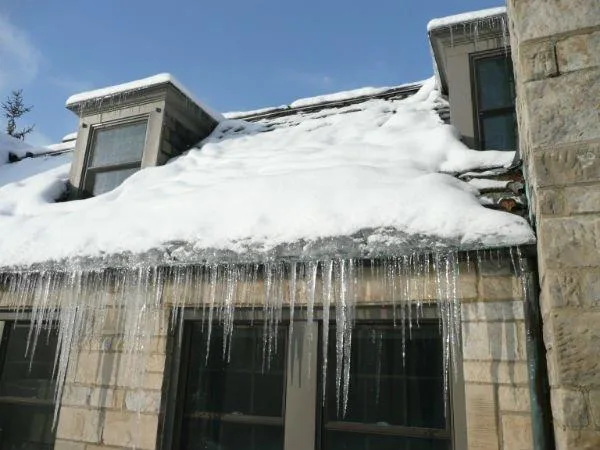
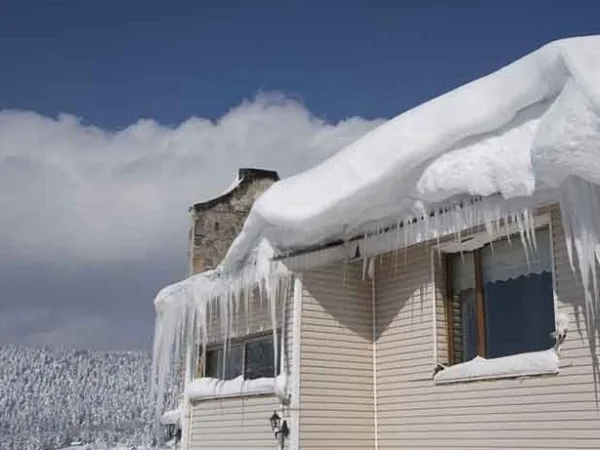
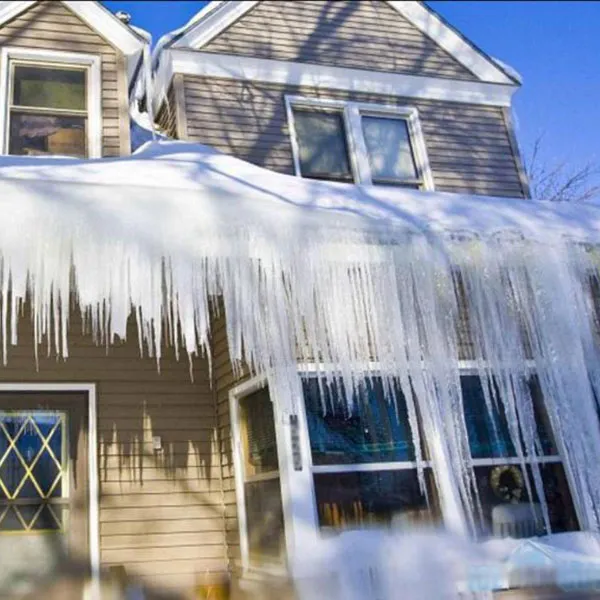
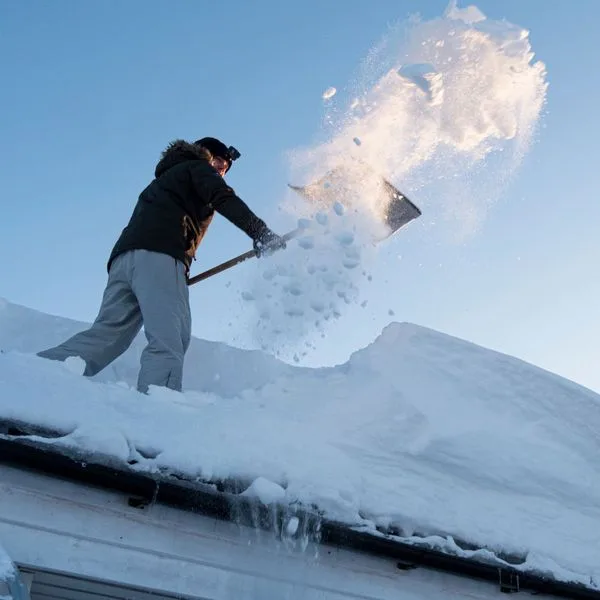
One of the most telling indicators is a thick ridge of ice forming along the edge of your roofline. This ridge may look decorative at first, but it’s actually a barrier trapping melting snow above it.
Another early sign is uneven snow melt. If you notice patches of roof where snow has melted while other areas remain fully covered, it can suggest heat escaping unevenly from the attic.
You may also see icicles forming heavily along gutters. While icicles alone don’t always confirm a problem, large or dense formations often accompany ice dam conditions.
If you’re noticing these patterns, it may be time to consider a professional roof inspection before hidden damage spreads further.
Inside the Home: Where Ice Dams Leave Their Strongest Evidence
The most important clues often appear indoors, not outdoors.
One of the earliest interior warning signs is staining on ceilings, especially near exterior walls. These stains often look like yellowish or brownish patches that slowly expand over time.
You might also notice paint bubbling or drywall beginning to warp. This happens when moisture becomes trapped beneath the surface layers of your ceiling.
Another red flag is a musty odor in upper rooms or the attic. That smell often signals moisture accumulation that has gone unnoticed for days or even weeks.
In more advanced cases, homeowners discover dripping water during or shortly after a snowstorm. At that stage, an ice dam is already actively pushing water into the structure of the home.
When these symptoms appear, immediate action becomes critical. This is where Emergency Roof Repair services can prevent further structural damage.
Attic Conditions: The Hidden Source of the Problem
If your attic feels unusually warm during winter, that alone can be a warning sign.
A properly insulated and ventilated attic should remain cold in winter months. When heat escapes from the living space below, it warms the roof deck and creates the perfect conditions for ice dam formation.
Poor insulation, blocked soffit vents, or inadequate airflow can all contribute to the problem. This is why Attic Ventilation plays such a crucial role in preventing ice dams from forming in the first place.
In many homes we inspect, the issue isn’t visible damage—it’s airflow imbalance. Warm air rises, escapes into the attic, and quietly begins the cycle that leads to frozen roof edges and trapped water.
Gutters and Roof Edges: Where Ice Dams Show Themselves First
Gutters often tell the story before the rest of the house does.
If your gutters are frozen solid or pulling away from the roof due to ice weight, it’s a strong indicator that melting and refreezing cycles are already underway.
Another common sign is water overflowing during light thaw periods, even when gutters are not clogged with debris. This happens when ice blocks the normal drainage path.
At this stage, homeowners should strongly consider scheduling a Roof Inspection to assess the extent of ice buildup and hidden moisture intrusion.
Ignoring these signs can allow water to travel under shingles and damage roof decking—leading to costly repairs that could have been prevented.
Why Ice Dams Should Never Be Ignored
The danger of ice dams isn’t just the ice itself—it’s what happens behind it.
Water infiltration can weaken roof sheathing, damage insulation, and create long-term mold risks inside walls and ceilings. Once moisture enters structural layers, repairs become significantly more complex and expensive.
Even more concerning, repeated seasonal ice damming can shorten the lifespan of your entire roofing system.
Addressing the issue early is not just about fixing damage—it’s about protecting your home’s long-term integrity.
Prevention Starts With Understanding the Root Cause
Many homeowners ask why ice dams seem to return year after year. The answer usually lies in attic heat loss and ventilation inefficiencies.
A balanced roofing system should keep heat inside your living space while maintaining a cold roof surface above. When that balance is disrupted, snow melts unevenly and refreezes at the edges.
This is why long-term Ice Dam Prevention is not just about removing ice—it’s about correcting airflow, insulation, and roof design factors that contribute to the problem.
Professional evaluation can identify whether your home needs ventilation improvements, insulation upgrades, or structural adjustments to prevent recurring damage.
When to Call a Professional
If you’re seeing even a combination of the warning signs above—ceiling stains, heavy icicles, attic warmth, or ice buildup along roof edges—it’s time to act.
Wooster Roofing has helped homeowners across the region identify and resolve ice dam issues before they escalate into major structural repairs. A timely inspection can often mean the difference between a minor correction and a full-scale roof restoration.
If you suspect an issue, don’t wait for visible leaks to appear inside your home.
Call Wooster Roofing today at (978) 851-7663 or visit online to schedule an inspection.

How Wooster Roofing Helps Homeowners Stay Protected
At Wooster Roofing, the approach goes beyond surface-level repairs. Every inspection is designed to uncover the root cause of ice dam formation, not just treat the symptoms.
Whether the solution involves ventilation correction, insulation review, or targeted roof repairs, the goal is always long-term protection.
Homeowners often begin with a simple Roof Inspection, but leave with a clear plan for prevention and durability that lasts beyond a single winter season.
FAQ: How to Tell if You Have an Ice Dam
- What is the most common early sign of an ice dam?
The most common early sign is a visible ridge of ice along the roof edge combined with heavy icicle formation on gutters. - Can ice dams cause interior water leaks?
Yes. Once water is trapped behind ice, it can back up under shingles and leak into ceilings, walls, and insulation. - Does poor attic ventilation contribute to ice dams?
Absolutely. Inadequate attic ventilation allows heat buildup, which triggers uneven snow melting and refreezing. - Should I remove ice dams myself?
No. It is not recommended because improper removal can damage shingles and worsen leaks. Professional assistance ensures safe and effective removal. - What is the best long-term solution for ice dams?
The most effective solution is a combination of insulation improvements, ventilation correction, and proactive ice dam prevention strategies.
Ice dams rarely appear as sudden disasters—they develop quietly, leaving clues along the way. The difference between minor roof maintenance and major structural repair often comes down to how quickly those clues are recognized. If you’ve noticed any of the warning signs mentioned, it’s worth taking action now rather than waiting for visible interior damage.
Schedule your Roof Inspection today with Wooster Roofing and take the first step toward protecting your home before the next freeze cycle begins. Call (978) 851-7663 or visit online to get started.
Tags: Attic Ventilation, Emergency Roof Repair, Ice Dam Prevention, Roof Inspection